

Finland’s economy will grow more slowly than previously estimated between 2026 and 2028 as the energy shock caused by the war in Iran is weakening the economic outlook, said the Bank of Finland on Tuesday.
The energy shock will push up prices, but the effects on inflation will depend heavily on the duration of the energy supply disruptions, according to the interim forecast published by the central bank.
The Finnish economy started to grow at the end of 2025, driven by private consumption and investment, and growth continued in early 2026.
However, the forecast has been revised downwards because the rise in energy prices caused by the war in Iran is hampering growth.
According to the forecast, Finland’s GDP growth is projected to be 0.6% in 2026 and to reach 1.4% in 2027. The economy will then grow by 1.5% in 2028.
The outlook for growth is clouded especially by the high uncertainty about the war in Iran and the continuing war in Ukraine.
Tensions in international trade have also intensified due to changes in US tariff policy.
“The starting point for this year’s growth was even slightly better than predicted in December, but the increase in energy prices is hampering growth. Despite the slowdown, growth is projected to continue. However, the outlook can change rapidly in the current global environment,” said the Bank of Finland’s Head of Forecasting, Juuso Vanhala.
The energy shock caused by the war in Iran will accelerate the rise in prices and increase uncertainty surrounding the inflation forecast. Inflation is projected to rise to 1.9% in 2026. In 2027, inflation will fall to 1.5% and will increase slightly to 1.8% towards the end of the forecast period.
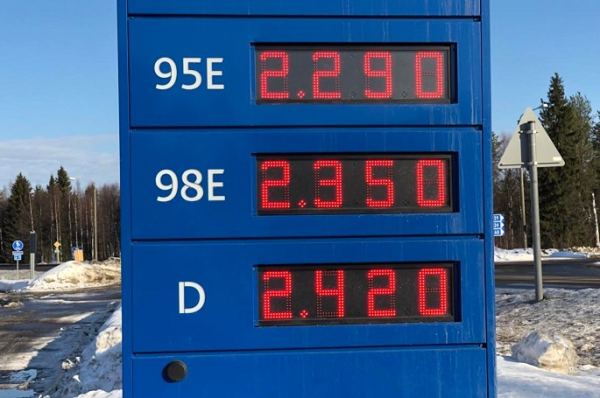
The suspension of oil and natural gas shipments in the Persian Gulf will raise fuel prices in Finland, in particular.
The increase in fuel prices will be reflected with a delay in the prices of food and industrial goods, among other things. However, the forecast assumes that the duration of the energy shock will be relatively short and its transmission to other prices will be moderate.
“The rising cost of energy will raise consumer prices this year, but the impact on next year will depend crucially on the duration of the energy supply disruption,” said Vanhala.
Meanwhile, the labour market remained weak in 2025, and the unemployment rate rose to a high level.
The unemployment rate for 2026 is forecast to be 10.2%, but the employment situation will improve as the business cycle improves. In 2027, the unemployment rate is projected to fall to 9.7% and further to 9.2% in 2028.
The forecast includes alternative scenarios for economic development. Risks in the external operating environment have increased. The duration of the war in Iran and its impact on the energy market constitute a key uncertainty factor in the forecast. Under the scenarios, a prolonged presence of energy supply disruptions could accelerate inflation and curtail growth for several years.
- Fuel prices
- Finnish economy
- Slow down
- Bank of England
Source: www.dailyfinland.fi
